The Best Security Systems for Law Firm Offices
In today’s digital age, law firm offices are increasingly becoming targets for various security threats, ranging from physical break-ins to cyberattacks. As custodians of sensitive client information and valuable legal documents, law firms must prioritize robust security systems to safeguard their operations. This article explores the best security systems for law firm offices, offering insights into the most effective measures for protecting your firm’s assets and ensuring the safety of your staff.
1. Comprehensive Physical Security Systems
A. Surveillance Cameras
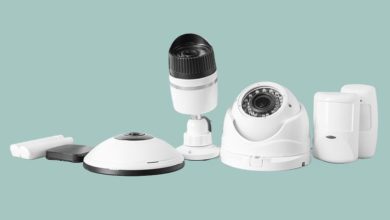
Installing surveillance cameras is a fundamental component of physical security. Modern security cameras offer high-definition video, night vision, and remote access features, allowing you to monitor your office premises in real-time. Key considerations include:
● Coverage: Ensure cameras are strategically placed to cover all entrances, exits, and critical areas such as file rooms and reception areas.
● Resolution: Opt for high-resolution cameras to capture clear images that can be useful in the event of an incident.
● Storage: Choose a system with ample storage capacity for video footage, and consider cloud storage options for secure off-site backups.
B. Access Control Systems
Access control systems regulate who can enter specific areas of your office. These systems are essential for restricting access to sensitive areas and managing Denver car accident attorney and visitor movements. Types of access control systems include:
● Keycard Systems: Employees use keycards or badges to access designated areas. If lost or stolen, keycards can be easily deactivated.
● Biometric Systems: Biometric access uses fingerprints, retina scans, or facial recognition for authentication, providing a higher level of security.
● Keypad Entry: Numeric keypads can be used to enter access codes. While cost-effective, they may require regular code changes to maintain security.
C. Alarm Systems
Alarm systems provide an additional layer of security by alerting you to unauthorized access or breaches. Consider the following types of alarms:
● Intrusion Alarms: These alarms detect unauthorized entry and can be connected to local law enforcement or a monitoring service.
● Motion Detectors: Motion sensors can detect movement within the office and trigger an alarm if unusual activity is detected after hours.
● Glass Break Detectors: These sensors identify the sound of breaking glass, which helps detect potential break-ins through windows.
2. Advanced Cybersecurity Measures
A. Firewall and Antivirus Protection
Cybersecurity is as crucial as physical security for law firms. Robust cybersecurity measures protect against data breaches, ransomware, and other digital threats. Key components include:
● Firewalls: Install hardware or software firewalls to monitor and control incoming and outgoing network traffic and block potentially harmful data.
● Antivirus Software: Use reputable antivirus software to detect and remove malware, viruses, and other malicious threats. Regular updates are essential to protect against new threats.
B. Encryption
Encryption is vital for protecting sensitive client information and legal documents. Ensure that all data, both in transit and at rest, is encrypted using robust encryption algorithms. Types of encryption to consider include:
● File Encryption: Encrypt individual files or folders to prevent unauthorized access.
● Email Encryption: Email encryption tools secure communications between clients and the firm.
● Full Disk Encryption: Encrypt the entire hard drive of your computers to protect data in case of theft or loss.
C. Multi-Factor Authentication (MFA)
Multi-factor authentication adds an extra layer of security by requiring users to provide two or more verification forms before accessing systems or data. Common factors include:
● Something You Know: A password or PIN.
● Something You Have: A smartphone app or hardware token.
● Something You Are: Biometric identifiers such as fingerprints or facial recognition.
Implementing MFA helps protect against unauthorized access, even if a password is compromised.
3. Secure Network Infrastructure
A. Virtual Private Network (VPN)
A VPN creates a secure, encrypted connection over the internet, allowing employees to access the firm’s network remotely while protecting data from interception. Key benefits include:
● Secure Remote Access: VPNs enable secure access to office systems from anywhere, ensuring that remote work does not compromise security.
● Data Privacy: VPNs protect sensitive information from being exposed to unauthorized parties.
B. Network Segmentation
Network segmentation involves dividing your network into smaller, isolated segments to limit the spread of potential security breaches. Key practices include:
● Segregating Sensitive Data: Create separate network segments for handling confidential client information, reducing the risk of data breaches.
● Controlling Access: Implement access controls to ensure that only authorized personnel can access sensitive network segments.
C. Regular Network Audits
Conduct regular network audits to identify and address vulnerabilities. These audits should include:
● Vulnerability Scanning: Use automated tools to scan your network for security weaknesses.
● Penetration Testing: Conduct simulated attacks to assess your security measures’ effectiveness and identify potential improvement areas.
4. Physical Security Measures
A. Secure Document Storage
Protect sensitive documents with secure storage solutions. Consider the following options:
● Lockable Filing Cabinets: Store physical documents in lockable cabinets to prevent unauthorized access.
● Safe Deposit Boxes: Use safes or secure deposit boxes for highly sensitive documents or valuables.
B. Secure Disposal
Proper disposal of confidential documents is essential to prevent data breaches. Use the following methods:
● Shredding: Shred physical documents before disposal to ensure that sensitive information cannot be reconstructed.
● Data Wiping: Use data-wiping software to erase data from old computers and storage devices securely.
5. Employee Training and Awareness
A. Security Policies
Develop and implement comprehensive security policies that outline procedures for handling sensitive information, reporting security incidents, and responding to breaches. Ensure that all employees are familiar with these policies.
B. Training Programs
Regularly train employees on security best practices, including:
● Password Management: Encourage the use of strong, unique passwords and periodic password changes.
● Phishing Awareness: Educate employees on recognizing and avoiding phishing attempts and other social engineering attacks.
● Incident Reporting: Train employees to promptly report suspicious activity or potential security incidents.
6. Incident Response Plan
Having a well-defined incident response plan is crucial for managing and mitigating the effects of security breaches. Your plan should include:
● Identification and Containment: Procedures for identifying and containing the breach to prevent further damage.
● Eradication and Recovery: Steps for removing the cause of the breach and restoring normal operations.
● Communication: Guidelines for communicating with stakeholders, including clients, regulatory bodies, and the media.
Ensuring The Security of Your Office Requires Expertise and Time
Ensuring the security of a law firm’s office requires a multi-faceted approach that combines physical security systems, advanced cybersecurity measures, and employee training. You can protect your firm’s valuable assets and sensitive client information by implementing comprehensive security solutions—including surveillance cameras, access control systems, firewalls, encryption, and secure network infrastructure. Additionally, fostering a culture of security awareness and having a robust incident response plan will help you effectively manage potential threats and maintain the integrity of your operations. Investing in these security measures is essential for protecting your firm’s assets, maintaining client trust, and ensuring long-term success in the legal profession.