Private Security and the Promise of One Standard of Safety
When you talk about safety in St. Louis, you’re really talking about contrast. In some neighborhoods, residents can call a private patrol and see a marked vehicle within minutes. In others, people wait and wonder if anyone will come at all.
This unevenness doesn’t reflect a lack of effort from police. It reflects a shortage of resources and a system that lets wealth dictate response. Private security firms have stepped into that vacuum, sometimes as partners and sometimes as replacements. The result is a new layer of protection that works well for a few and leaves too many behind.
The question now is how to reshape that system so that prevention and fairness go hand in hand.

Private Security’s Expanding Role
Across the country, more neighborhoods are turning to private patrols to fill the gaps left by stretched police departments. In St. Louis, that divide has become almost impossible to ignore. Affluent districts hire off-duty officers for dedicated patrols, while lower-income areas continue to wait longer for help that rarely comes. It’s a reality that makes one thing clear: private security is becoming the first line of defense for those who can pay.
That imbalance isn’t sustainable. Public safety should never depend on a ZIP code. Yet the idea behind private security—the focus on prevention and presence—remains sound. The challenge now is to build a system that uses those same principles to protect everyone.
Private policing has existed for decades, but the model has accelerated as city departments shrink. In places like St. Louis, Minneapolis, and Atlanta, residents with means are creating taxing districts or homeowner funds to purchase added patrols. Those efforts often work: response times drop, thefts decline, residents feel safer. The question is what happens to the neighborhoods left behind.
Prevention Works, but Access Matters
Consistent patrols, trained officers, and early intervention stop incidents before they start. The simple act of visibility deters crime. But when only certain neighborhoods can afford that visibility, we’ve created a two-tiered system of protection.
Real safety is shared safety. When prevention stops at a property line, we all lose. The wealthier parts of St. Louis often describe their private patrols as a necessity, not a luxury, but every neighborhood deserves consistent, reliable protection. A child walking to school on the north side should feel as safe as one in the Central West End.
Private security, when structured correctly, can help close that gap rather than widen it. It starts with recognizing that prevention and fairness are not competing goals.
From Reactive Policing to Proactive Security
Traditional policing is reactive after harm has occurred. A proactive security model flips that approach. It uses consistent patrols, property assessments, and communication with residents to identify risks early.
Officers are trained not just to respond but to observe, to anticipate, and to de-escalate. They know the people on their routes, the patterns of the block, the business owners who lock up late. That local familiarity creates faster awareness and fewer emergencies. It also frees public officers to focus on high-priority crimes instead of routine deterrence work.
The best security work is invisible. When prevention works, nothing happens—no property loss, no injury, no late-night call to 911. The goal isn’t to replace police but to supplement them. Proactive security expands the front edge of prevention so fewer people ever reach a moment of crisis.
Building Standards That Earn Trust
Strong security work depends on trust. People need to know who is protecting them, what those officers are allowed to do, and how they are trained to respond. That confidence comes from clear standards and open communication, not from borrowed authority or confusion about roles.
At Metropolitan Public Safety, professionalism begins long before a patrol ever starts. Every officer understands the limits of their authority and the expectations of their conduct. Uniforms, vehicles, and identification are designed to make that distinction clear, so the community always knows who they are dealing with and what kind of help to expect.
Consistency also matters. Written policies, active supervision, and fair complaint procedures show residents that security agencies are accountable to the same principles they enforce. When people see that level of integrity, they respond with cooperation and respect.
Standards are not red tape. They are the framework that allows officers to do their jobs well and the public to feel confident in their presence. Trust, once earned, becomes the strongest form of protection any neighborhood can have.
Training Builds Confidence
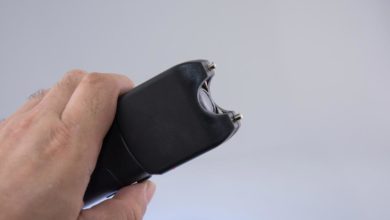
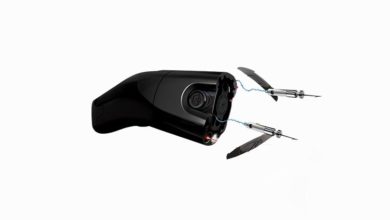
Training is where quality starts. Every officer on my team meets standards that go well beyond state minimums. They practice with less-lethal tools like OC spray and Tasers, complete de-escalation simulations, and maintain up-to-date first aid and trauma certifications.
When you invest in training, you invest in restraint. Confidence comes from knowing what to do, not from carrying more weapons. The more we train, the less force we need.
Undertrained officers rely on reaction; trained officers rely on judgment. Intensive scenario-based instruction helps them recognize when to step back and when to step in. A calm presence can defuse tension faster than any piece of equipment.
Technology adds another layer of accountability. Body cameras, digital incident logs, and GPS-verified patrol routes improve transparency when used with care. The key is policy discipline through privacy protections, data retention limits, and oversight that prevent misuse. Technology should serve the mission, not replace human awareness.
Making Prevention Available to All
Not every neighborhood has the same resources, but everyone deserves to feel safe. That is the problem cities like St. Louis face every day. Some areas can afford extra patrols, while others are left to manage with less. If we want to fix that, we have to rethink how security is funded and shared.
One approach is for cities to create grant programs that help cover patrols or safety improvements in high-crime areas. Another is for business districts that already pay for private patrols to set aside a small portion of their budgets for community programs such as safety training, after-school workshops, or youth mentorship. A small investment in the next generation goes further than most people realize.
Security companies can help too. When firms donate time to teach residents how to secure their homes, or when they offer discounted hours near schools or bus stops, it changes the relationship between officers and the people they protect. Those small gestures build trust faster than any marketing campaign.
Safety should never be treated as a luxury. It works best when it is shared, when everyone, no matter the neighborhood, feels that someone is watching out for them.
Measuring What Matters
You can’t measure safety by numbers alone. What matters most is whether people feel secure walking to their car at night or opening their shop in the morning. Data has its place, but the real test is confidence on the street.
Still, numbers help tell the story. Security teams should keep track of how often they patrol, how quickly they respond, and how many situations they resolve before they turn serious. They should also show where they’re putting time back into the community—free trainings, neighborhood meetings, and extra hours donated to areas that need more support.
Sharing that information builds accountability. When people can see steady presence and real results, trust follows. Over time, those reports stop feeling like statistics and start showing what good prevention actually looks like.
Toward One Standard of Safety
Private security isn’t going away. The need for trained, responsive personnel will only grow as public budgets tighten. What we can control is how that growth unfolds whether it deepens divisions or strengthens shared safety.
When people see a security vehicle, they should feel reassured, not excluded. Our job is to protect every person on the street, no matter where they live or what they earn.
Private security can extend the reach of law enforcement, but it can also restore something harder to measure: calm. A well-trained officer walking a familiar route sends a quiet message that someone is paying attention. That presence can change how people feel about their block, their business, their city.
The path forward begins with honesty about what’s broken and a commitment to fix it. It asks both the public and private sides to work together to share data, share training, and share responsibility. The goal is not to sell protection but to build partnership.
When security is done well, it feels like part of the neighborhood, not something added on top of it. Officers know the shop owners, wave to the kids walking home from school, and check on the same houses each night. That kind of presence builds trust without anyone having to talk about it.
The goal is simple: make every block feel looked after. Not just the quiet ones or the ones with funding, but the ones where people still peek out the window when they hear a siren. Safety should belong to everyone, no matter the zip code or the price of a patrol car.
That’s the promise of one standard of safety. And it’s a promise worth keeping.
AUTHOR
Dylan Hensley is the founder and owner of Metropolitan Public Safety, where he brings more than a decade of frontline experience to leading one of Missouri’s most respected security agencies. A certified NRA Handgun Instructor, Axon Taser Instructor, Sabre OC Instructor, Missouri Sheriffs Association less-lethal munitions Instructor, and ASP Handcuff/Baton Instructor, Hensley is committed to training and equipping personnel with the highest professional standards.
Before launching Metropolitan Public Safety, Hensley served as a Missouri Corrections Officer and is currently a licensed St. Louis Security Officer. His expertise in both defensive tactics and emergency response has earned him recognition as a trusted authority in private security and public safety. Under his leadership, Metropolitan Public Safety has grown into a top-rated agency known for reliability, preparedness, and community-focused protection across Missouri.